


















Basic terminology of motors
Basic terminology of motors
time:2024-01-24
An electric motor is an energy conversion device that works using electromagnetic principles.
I. Basic Terminology of Motors
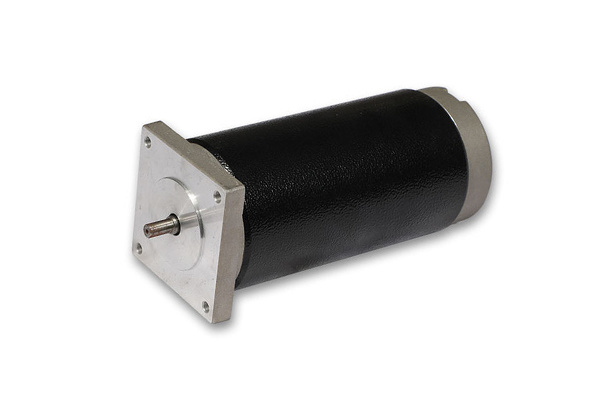
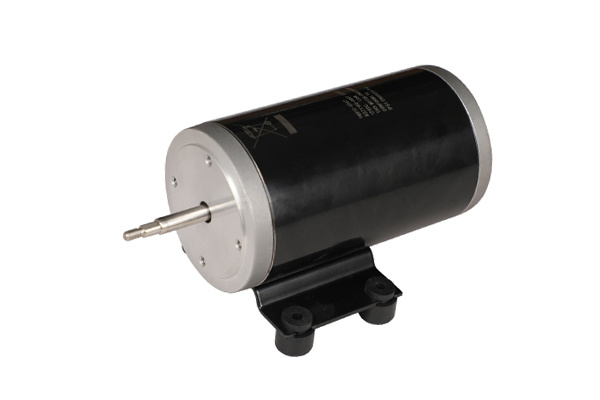
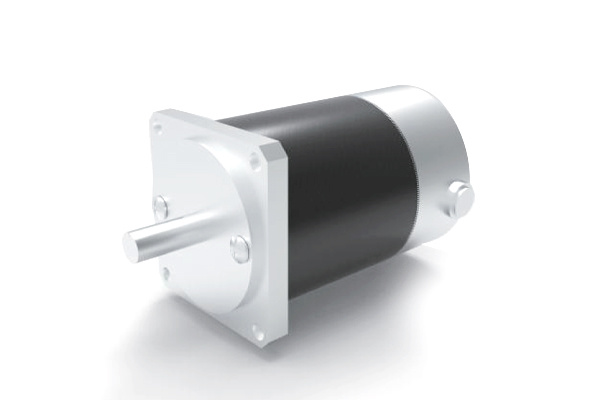
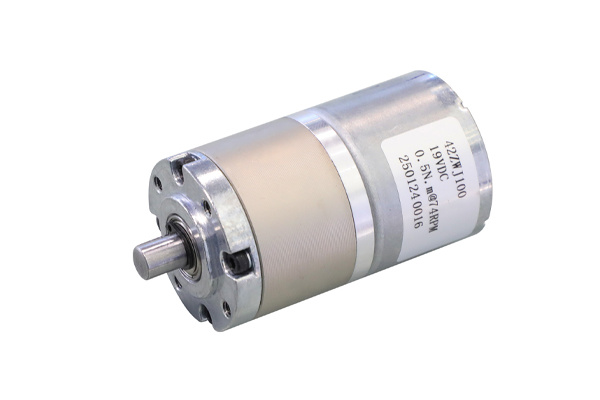
Motor: A motor is an energy conversion device that works using electromagnetic principles. It only outputs energy when energy is input; at least one of the input and output energies should be electrical energy.
Transformer: A device that uses electromagnetic principles to convert AC electrical energy into AC electrical energy of the same frequency but different voltage levels.
Generator: A device that uses electromagnetic principles to convert mechanical energy into electrical energy.
DC Generator: A generator that converts mechanical energy into DC electrical energy.
AC Generator: A generator that converts mechanical energy into AC electrical energy.
Synchronous Generator: The ratio of the frequency of its electromotive force to the motor speed (synchronous speed) is a constant. For example, for a 2-pole (1 pair of magnetic poles) synchronous generator, the power generation frequency is the same as the speed per second; for a 12-pole (6 pairs of magnetic poles) synchronous generator, the power generation frequency is 6 times the speed per second. Large steam turbine generators and hydroelectric generators are synchronous generators. Most AC generators are synchronous generators, and they are widely used. Synchronous Speed: To supply the power grid with 50Hz power frequency energy, the generator speed must be the synchronous speed. Synchronous speed = 50 × 60 / p, where p is the number of pole pairs. For example, the synchronous speed of a 2-pole motor is 3000 r/min, and the synchronous speed of a 4-pole motor is 1500 r/min.
Asynchronous Generator: When loaded, the generator speed is greater than the synchronous speed of the same number of poles. For example, the speed of a two-pole asynchronous generator is greater than 1500 r/min, which means that the generator output voltage frequency is lower than twice the speed per second, and the ratio of the generator speed to the grid frequency is not a constant value, and the slip increases with the increase in load. Asynchronous generators are rarely used, mainly in wind turbine generator sets.
Electric Motor: A device that uses electromagnetic principles to convert electrical energy into mechanical energy.
DC Motor: A motor that converts DC electrical energy into mechanical energy.
AC Motor: A motor that converts AC electrical energy into mechanical energy. AC motors are divided into asynchronous motors (speed less than synchronous speed) and synchronous motors (speed equal to synchronous speed). In practice, asynchronous motors are the most widely used, and synchronous motors are relatively less used.
Generator Capacity ( Rated Capacity of Generator): The continuous output capacity expressed in kilovolt-amperes (kVA) at the output terminals of the generator when operating under the rated speed, voltage, power factor, and cooling conditions specified by the manufacturer.
Motor Power (Rated Power): The mechanical power output from the motor shaft when operating under rated voltage, rated load, and specified cooling conditions, in kW.
Motor Efficiency: The ratio of P2 to P1 is called the motor efficiency, denoted by η, i.e., η = P 2 / P 1 , P1 is the input power, representing the energy input to the motor per unit time; P2 is the output power, representing the energy output by the motor per unit time.
II. Electromagnetic Structure of Motors
Rotor, Stator: Both generators and motors are related to mechanical energy. Their structures contain moving parts, which usually rotate and are called the rotor; the corresponding stationary part is called the stator.
Main Magnetic Circuit: Refers to the path of the main magnetic flux Φ The main magnetic circuit of a transformer is a closed core, as shown in the left part of Figure 3, where the light blue arrow lines are magnetic lines of force. The main magnetic circuit of a rotating machine includes, in addition to the stator and rotor cores, two air gaps, as shown in the right part of Figure 1, where the light blue arrow lines are magnetic lines of force.
Core: The magnetic circuit component that carries the magnetic flux, excluding the air gap.
Frame (Stator Frame): The component that supports the stator core or core assembly and the stator windings.
Frame Yoke: The part of the stator core that provides mechanical support for the stationary salient poles.
Pole: Part of the core, with or embedded with excitation windings or containing one or several permanent magnets.
Pole Shoe: The part of the salient pole closest to the air gap.
Air Gap: The gap in the ferromagnetic part of the magnetic circuit.
Rotor Yoke: The part of the rotor core that provides mechanical support for the rotating salient poles.
Salient Pole: A type of magnetic pole extending from the yoke towards the air gap. The rotor in the left part of Figure 5 has 6 salient poles, which are mounted on the rotor yoke.
Hidden Pole: Part of a cylindrical iron core, acting as a magnetic pole through the excitation effect of the distributed windings, see the right side of Figure 5. The slots between the small teeth are used to place the distributed excitation windings, and the large teeth are the magnetic poles.
Slots: Recesses on the iron core where winding conductors are placed.
Teeth: The part of the iron core between two adjacent slots.
Related News





Address: No. 158, Yangguang Road, Luoyang Town, Wujiang District, Changzhou City, Jiangsu Province
Contact Person: Wu Jintao
Email:market-06@duoweimotor.com
Coprright © 2025 Changzhou Duowei Electric Co., LTD., ALL Rights Reserve.