








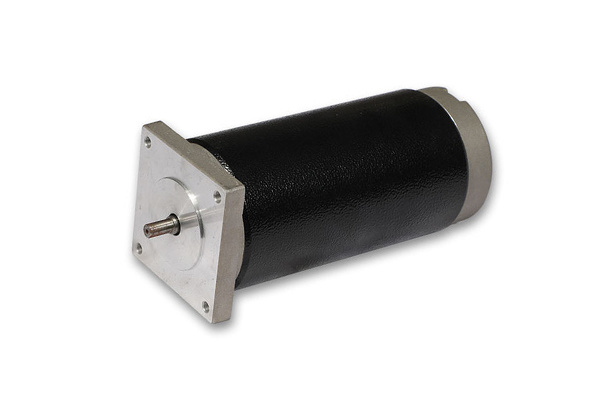
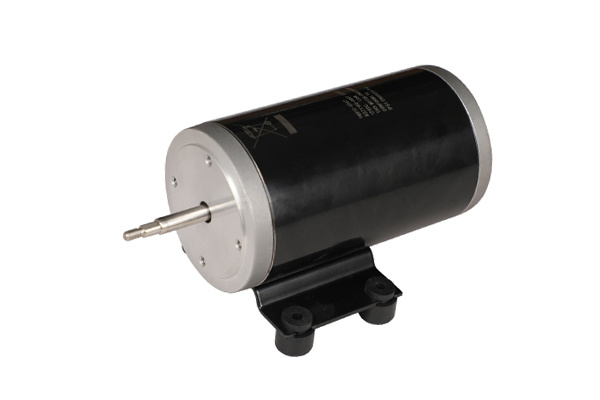
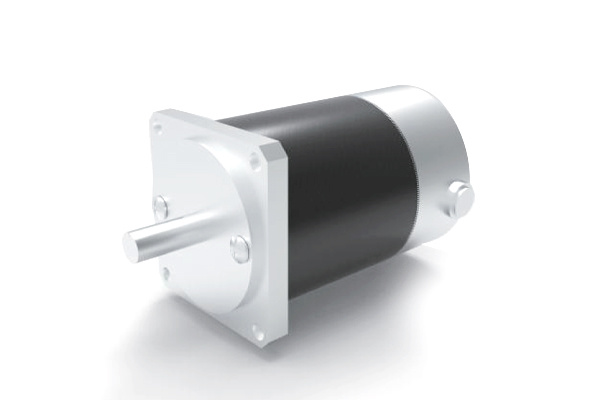

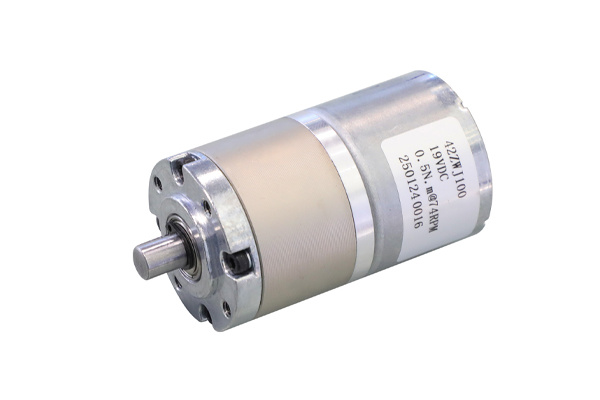








Electric motor for pure electric vehicles
Electric motor for pure electric vehicles
time:2023-10-30
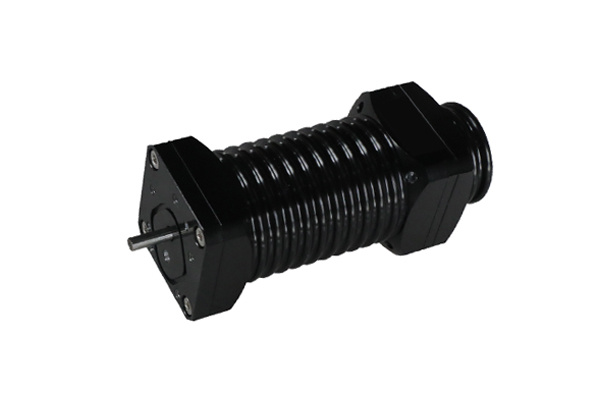
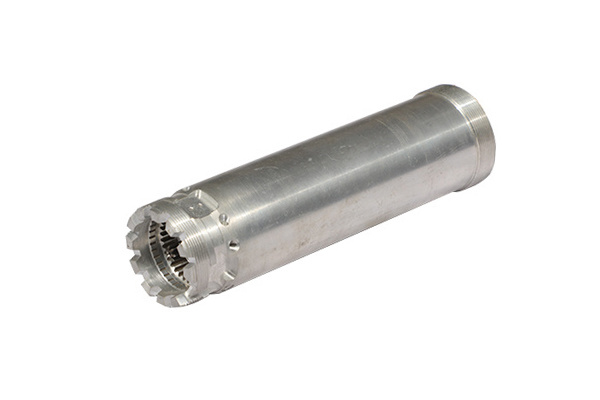
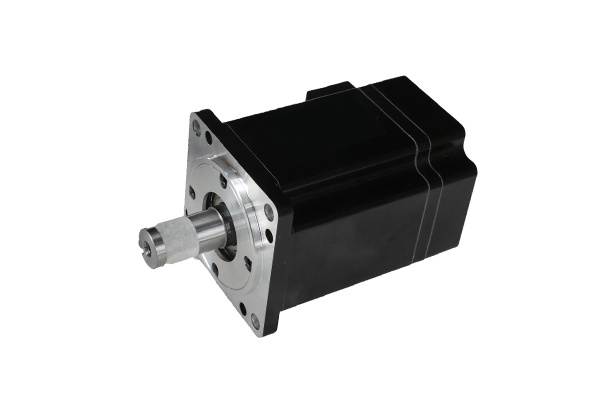
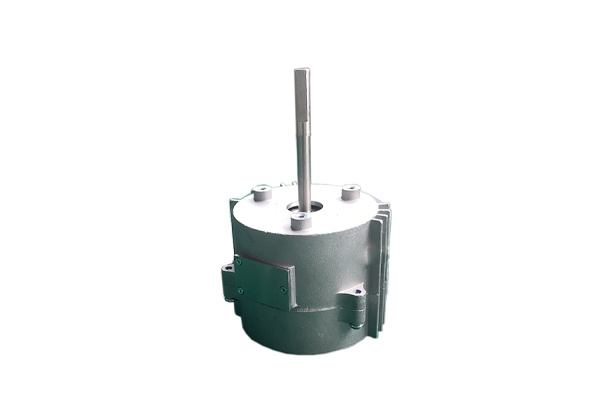
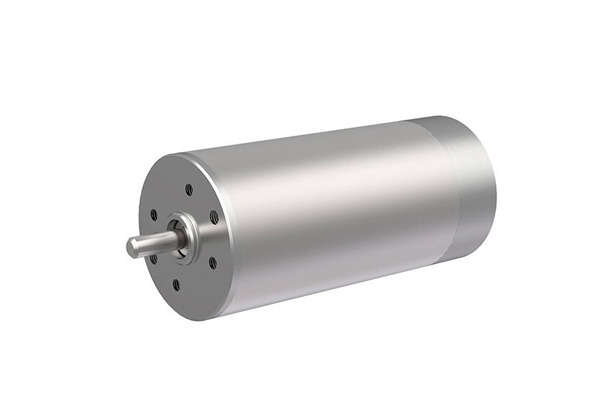
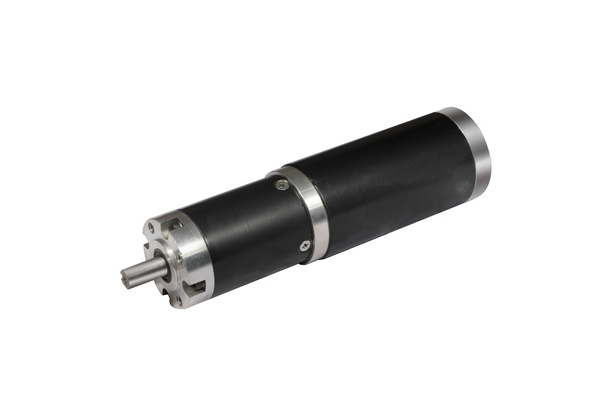
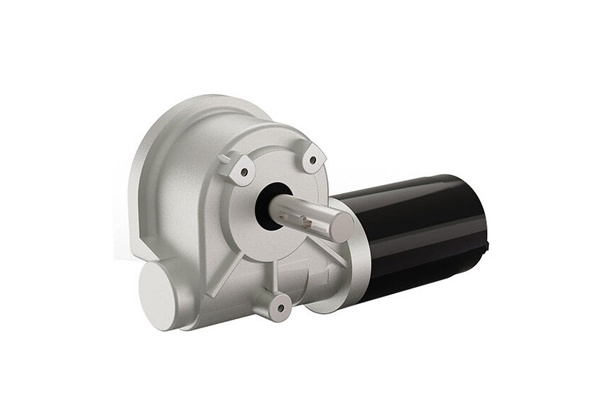
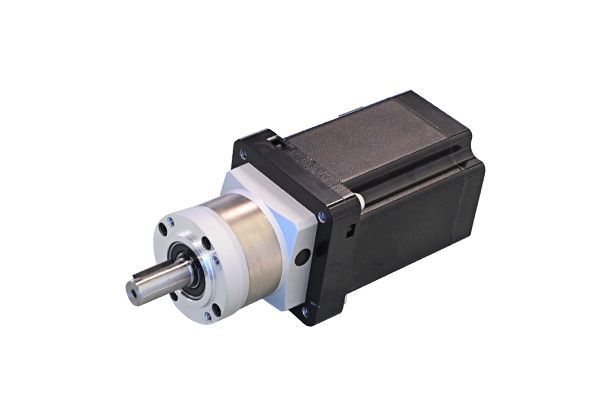
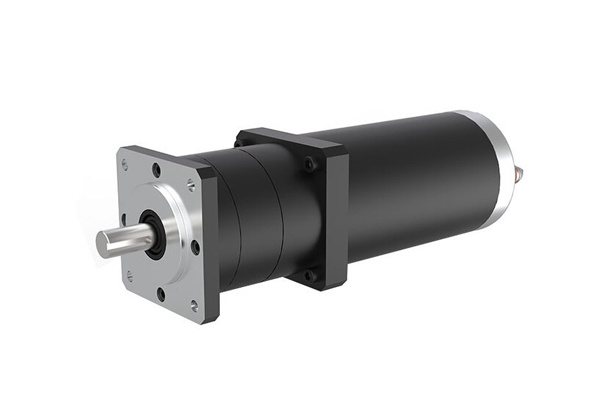
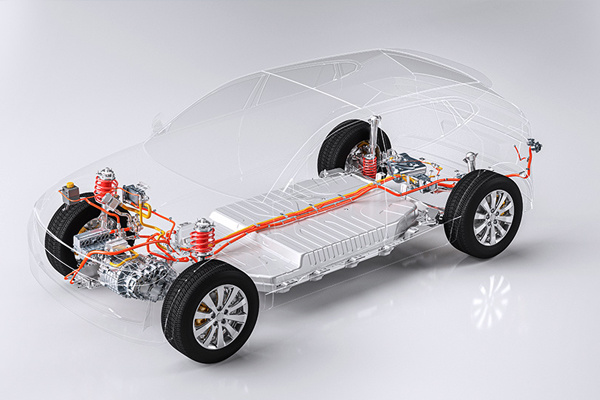
Common DC motors, permanent magnet brushless DC motors, permanent magnet synchronous motors, switched reluctance motors, and transverse flux motors can all be used as automotive motors.
Electric vehicle drive motors typically need to meet various operating condition requirements, such as higher torque during frequent start-stop, acceleration, deceleration, low-speed, and hill climbing, lower torque at high speeds, and a wide speed range. Common DC motors, permanent magnet brushless DC motors, permanent magnet synchronous motors, switched reluctance motors, and transverse flux motors can all be used as automotive motors.
1. DC Motor
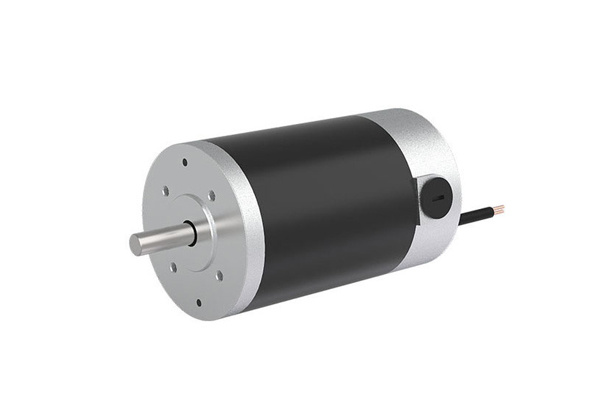
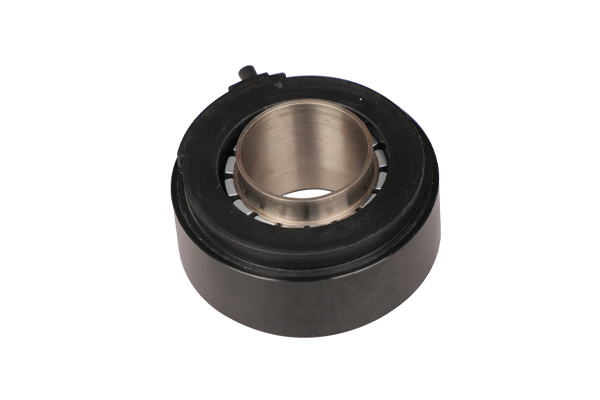
Traditional DC Motor Simple control, mature control technology, wide speed control range, and the soft characteristics of series DC motors are very suitable for use as vehicle drive motors. However, DC motors are large in size, have high manufacturing costs, and require significant maintenance for brushes and commutators, so new electric vehicle motors generally do not use DC motors.
2. Permanent Magnet Brushless DC Motor
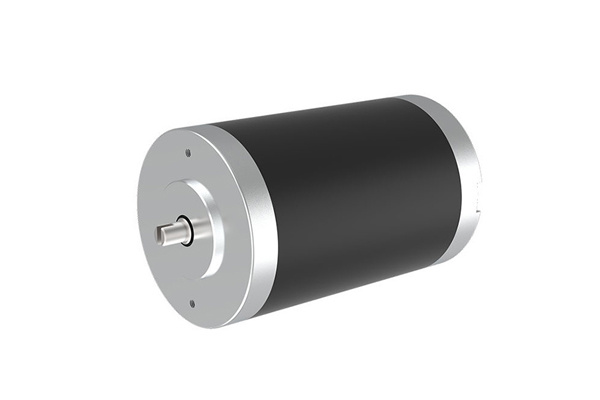
Permanent Magnet Brushless DC Motor Using an electronic commutator instead of a DC motor's mechanical commutator, a positive and negative alternating flat-top wave is generated by the electronic commutation device to drive the motor rotation. The speed regulation performance is similar to that of a DC motor, the operation is reliable, maintenance is convenient, there is no excitation loss, and both efficiency and power density are high. Therefore, permanent magnet brushless DC motors have become the mainstream motors for electric vehicle hub motors.
3. Permanent Magnet Synchronous Motor
The permanent magnet synchronous motor is similar in structure to the permanent magnet brushless DC motor, except that it is driven by a sine wave. Compared with the brushless DC motor, the permanent magnet synchronous motor has advantages such as low noise, high power density, small moment of inertia, and high control accuracy. Because the synchronous motor speed is synchronized with the power frequency, the coordinated control of the rotational speed of each wheel is more complex when used as a hub motor.
4. Switched Reluctance Motor
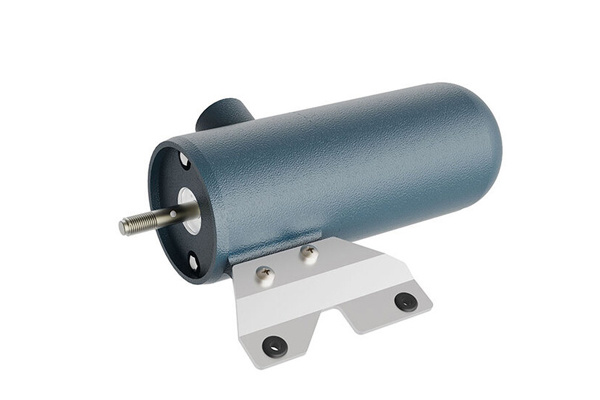
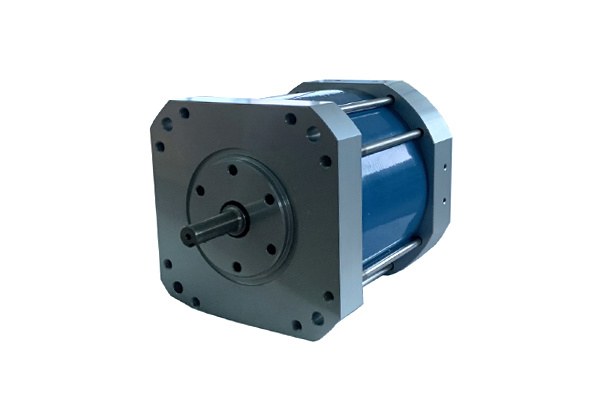
Switched Reluctance Motor The rotor has neither windings nor permanent magnets, only concentrated excitation windings are installed on the stator, and it is mostly used for high-speed motors. Switched reluctance motors have high power conversion efficiency, simple structure, wide speed range, and simple control. However, because the motor operates in switching mode, the current fluctuation is large, and the noise and vibration are large.
5. Transverse Flux Motor
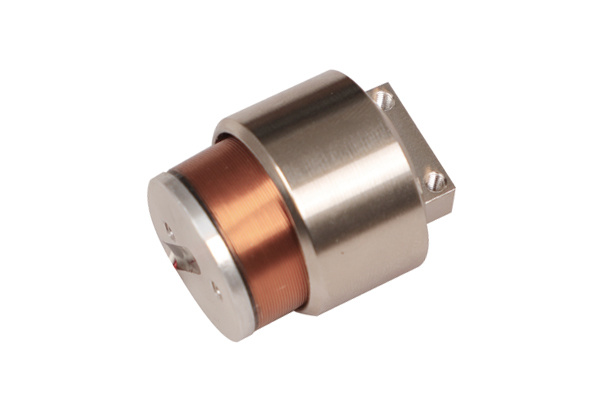
Transverse Flux Motor High efficiency and torque density, suitable for operation at low speed and high torque; simple winding form, no end of traditional motor windings; each phase is independent of each other; the drive circuit is the same as that of a permanent magnet brushless DC motor, and the controllability is good. However, it has many permanent magnets and large usage; complex structure, high process requirements, and high cost.
Related News





Address: No. 158, Yangguang Road, Luoyang Town, Wujiang District, Changzhou City, Jiangsu Province
Contact Person: Wu Jintao
Email:market-06@duoweimotor.com
Coprright © 2025 Changzhou Duowei Electric Co., LTD., ALL Rights Reserve.